
A child’s health and ability to learn are closely connected. When a young child struggles to see, hear or manage physical discomfort, those challenges can affect their focus, behavior and participation in the classroom. Sometimes, children are too young to recognize or communicate what is wrong, making it especially important for the adults around them to pay attention.
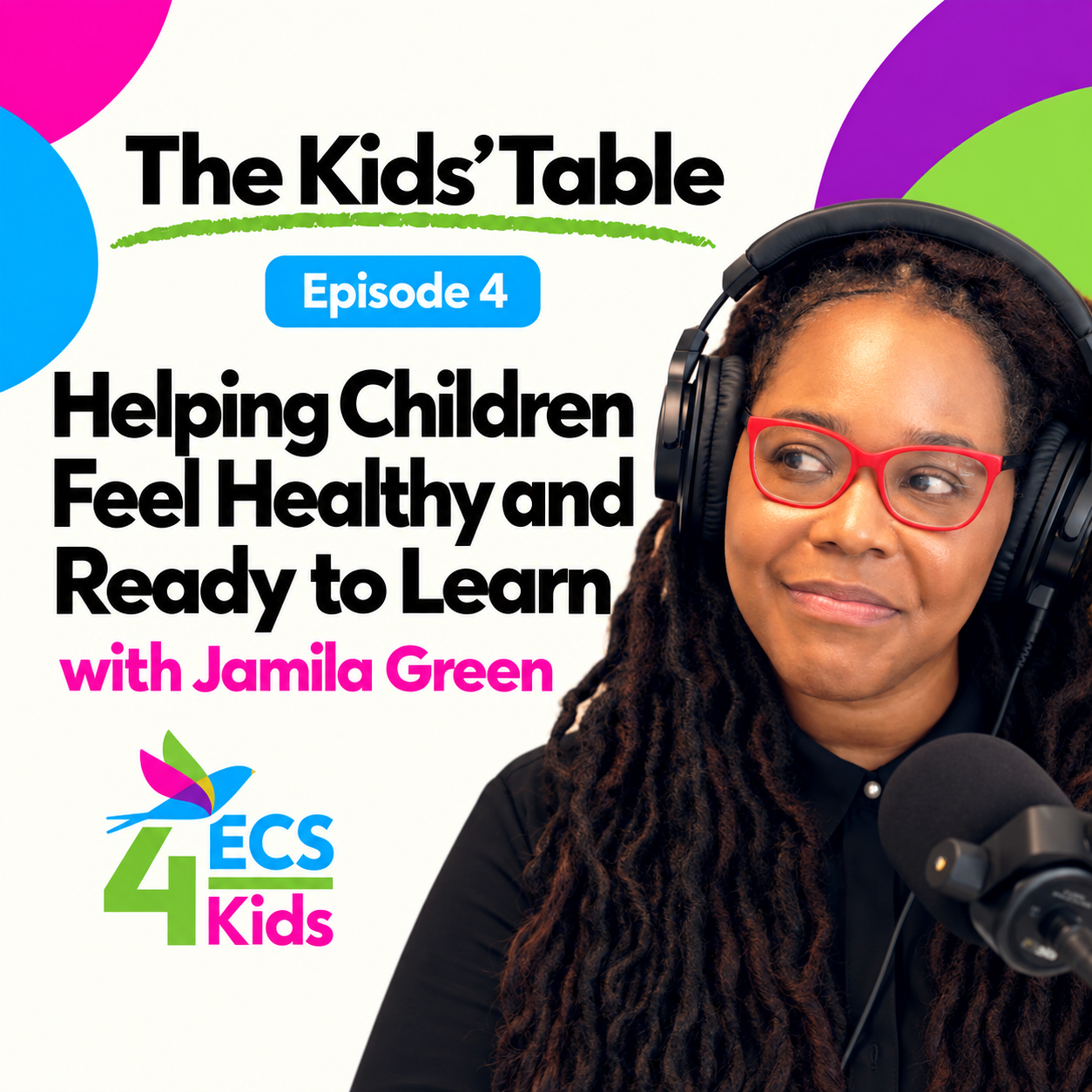
Jamila Green, Director of Health and Nutrition Services for Head Start at ECS4Kids, recently joined The Kids’ Table, an ECS4Kids podcast, to discuss how parents can recognize potential health concerns, why early detection matters and what families can do to help children stay healthy and ready to learn.
Why Early Detection Matters
Early childhood is a period of rapid growth and development. Identifying potential health concerns during these years can help families address issues before they become greater barriers to learning.
“Health screenings are important to identify possible concerns early,” Jamila explained.
Health screenings help identify children who may need additional evaluation, but they are not a substitute for regular medical care. Jamila encourages families to seek screenings that are evidence-based, meaning they use research-supported methods appropriate for a child’s age and developmental stage.
She also emphasizes that a quality screening should provide families with clear guidance about what to do if a concern is identified.
At ECS4Kids, screenings help identify potential concerns related to vision, hearing, speech and language, growth and development. Families receive results and, when needed, assistance connecting with appropriate medical providers.
Signs Parents Can Watch for at Home
Parents often notice changes in their child’s behavior before anyone else does. Some of those changes may be connected to a health concern rather than a behavioral or learning issue.
For example, a child who struggles to hear instructions may appear distracted or unwilling to follow directions. A child experiencing vision difficulties may have trouble participating in learning activities.
Jamila shared several signs parents can watch for:
- Vision concerns: Holding objects unusually close to the face or having difficulty focusing on things at a distance.
- Hearing concerns: Not responding when called or turning the head to favor one ear.
- Oral health concerns: Sensitivity to hot or cold foods, which may indicate dental discomfort.
- Other possible concerns: Changes in sleep, restlessness, withdrawal or difficulty following simple directions.
One symptom does not necessarily mean a child has a medical condition. However, patterns or changes in behavior are worth discussing with a pediatrician.
Parents do not have to diagnose the problem themselves. Their observations can provide important information to medical professionals.
Why Following Up Matters
Identifying a possible health issue is only the first step. When a screening indicates that a child needs additional evaluation, following through with a medical provider is important.
For many families, that is easier said than done.
Transportation, work schedules, cost and insurance challenges can make it difficult to schedule appointments. Other times, a child may seem healthy, leaving parents unsure whether follow-up care is necessary.
Jamila encourages families to ask about available resources. Insurance providers may offer transportation assistance, some medical practices have extended hours and community health clinics may provide additional options.
Jamila says the most important thing is that parents take the next step as soon as possible, if it’s recommended. A timely evaluation can help determine whether treatment or additional support is needed.
Everyday Habits That Help Keep Children Healthy
Protecting a child’s health also involves the habits families practice every day.
During cold and flu season, Jamila encourages parents to reinforce basic hygiene routines and help young children understand how to reduce the spread of illness.
Her recommendations include:
- Teach children to wash their hands regularly, especially after outdoor play and before eating.
- Practice covering coughs and sneezes.
- Offer balanced meals and encourage children to stay hydrated.
- Make sure children get adequate sleep and rest.
- Keep children home when they are sick to help prevent illness from spreading to classmates and teachers.
These habits can help children develop healthy routines that continue as they grow.
Three Important Ways Parents Can Advocate for Their Child’s Health
When asked to identify the most important things parents can do to keep children healthy and ready to learn, Jamila emphasized three priorities.
1. Keep up with regular wellness visits.
Children should see their pediatrician for recommended wellness appointments, even when they appear healthy. These visits provide opportunities to monitor growth, development and overall health, and to discuss concerns before they become bigger problems. Parents can use the American Academy of Pediatrics’ Bright Futures Periodicity Schedule to learn which wellness visits, health screenings and preventive care are recommended at each stage of their child’s development.
2. Be your child’s advocate.
Parents should feel comfortable asking questions and sharing observations with medical providers. If a teacher or early learning program raises a concern, bring that information to the pediatrician. Working together helps families and providers make informed decisions about the child’s care.
3. Pay attention to changes and seek help early.
Changes in mood, behavior, sleep or physical well-being can sometimes signal an underlying concern.
“Do not wait,” Jamila advised. “If you notice that your child is experiencing some health challenges or there is a change in behavior or mood, please talk to a medical provider as soon as possible.”
How Preparation and Partnership Can Make a Difference
Health and safety are also important responsibilities for the adults who care for young children outside the home.
At ECS4Kids, partnerships with medical professionals help equip teachers and staff to recognize health concerns and respond appropriately.
Jamila shared one example involving the Epilepsy Foundation, which provides annual seizure first aid training to ECS4Kids teachers and staff.
During a routine diaper change, an Early Head Start teacher recognized that a four-month-old child was experiencing a seizure. Because of her training, she knew how to respond and emergency medical services were called.
The child was subsequently evaluated, diagnosed and connected with appropriate treatment.
The experience demonstrates why training, observation and partnerships between educators, families and medical professionals are so important. Sometimes, recognizing a health concern early can change the course of a child’s care.
Listen to the Full Conversation
Helping children stay healthy and ready to learn requires attention to both everyday wellness and potential concerns that may be harder to recognize.
By keeping up with regular medical visits, watching for changes and seeking help when questions arise, parents can play an important role in protecting their child’s health and development.
To hear more practical guidance from Jamila Green, watch or listen to the full episode of The Kids’ Table, Helping Children Feel Healthy and Ready to Learn.


